
On Some Invented Words

She and I, former friends, found ourselves in a pickle. Our relationship had seen better days, that’s for sure. That when the green-eyed monster, jealousy, had raised its bedazzled head. The cold-blooded and hard-hearted rant it started came out of my mouth without my even realizing it. True, I was wearing my heart on my sleeve in that moment.

Oh, it was absolutely character assassination, no doubt about it. Did she deserve it? Arguably not; some would say that it was baseless, but my ranting had a certain feeling of vindication to it even though it was at the same time obscene. Someone who saw it might say I was rather sanctimonious and that my behavior was laughable.

The thing is, once you start publicly shaming someone, it becomes like an addiction. It feels so cleansing, so cathartic. Oh, some might label you zany for critically and verbally assaulting someone like that. And the object of your castigation, your verbal attack might see you as an arch-villain.

And if you happen to be an eyewitness to such an eventful tirade, if you happen so see such a sorry sight, you won’t soon forget it. The inaudible terror that flashes on people’s faces when they hear your screed is also something to behold. It can make your hair stand on end.

It’s even more terrifying when it happens in the workplace, as when a manager berates a worker. You feel for the employee as the manager swaggers over them publicly and verbally, knowing that the whole place has been made uncomfortable by the scene. If the person gets fired, then sometimes, you have the embarrassing scene of the watching the disheartened worker realize that the game is up. You see them gathering their belongings in a hurry and beating an inauspicious retreat.

You’re probably wondering what all this means, well, wonder no more. You see, all those words and phrases–and dozens more–were created by one man some 400 years ago. We use them today without a second thought.

But we wouldn’t have any of them without the majestic genius of the auspicious William Shakespeare.
On a Lonely Wife

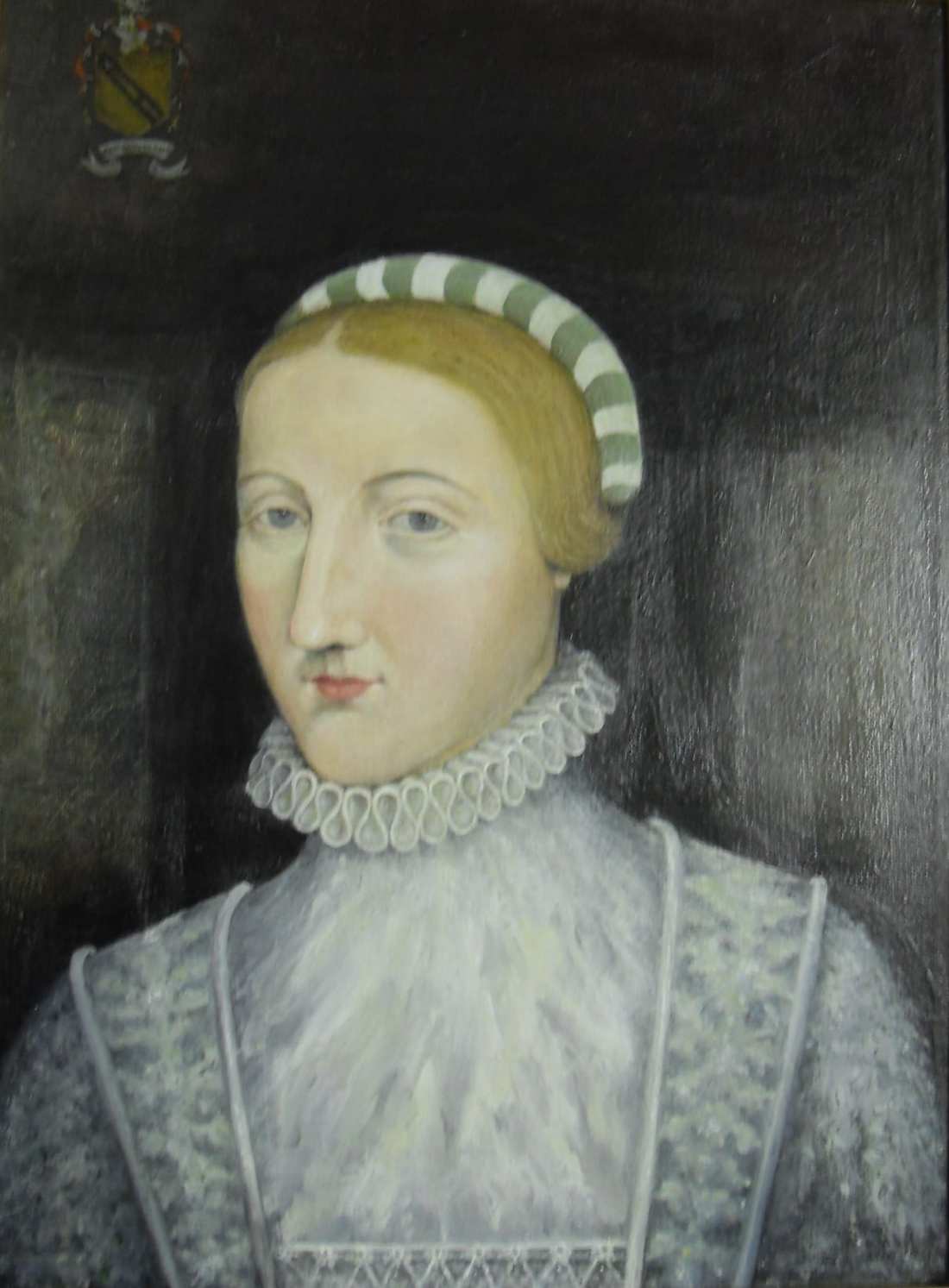
We don’t know if Agnes married for love or not. Her husband was younger by seven years, and he was definitely a social riser. Since Agnes’s dad, a successful farmer, died and left her with somewhat of a dowry, she had been seen as a catch even if she was a bit older to have never married by age 25. However, the young man had gotten Agnes pregnant, and it seems her family insisted that he make “an honest woman” of her as they said back then. So, there were some incentives for him to make Agnes his wife.

That didn’t mean he would stay in the household. No, he left their Warrickshire home and went to London, he said, to find work so she could live a lifestyle she had grown up with. So, less than a year into a marriage she may or may not have wished, Agnes found herself with a child and no husband at home. Oh, he came for a visit every now and again, and, it seems, he left Agnes pregnant after some of his trips. She had twins, a boy and a girl, a few years after her daughter, Susannah, was born. Still, it was difficult to raise the kids and tend to the household alone; doing it herself was certainly different than having a husband and father around all of the time.

We have a bit of evidence about Agnes’s life in the form of a will from one of her father’s former shepherds. A man named Tom Whittington apparently left Agnes 40 shillings for distribution to the poor of her town. Now, the way that the wording is in this document could also suggest that it was Agnes herself who was the one referred to as being poor, and the man with the connection to her father was merely showing kindness to a woman he had known when she was young by giving her money because the worthless husband was nowhere to be found.

Agnes had to endure the usual pains and tribulations of family life alone most of the time. For example, the boy of the twins died in one of the plague years that came through the English countryside every few decades. On the other hand, she celebrated the marriage of Susanna to a local doctor named Hall; the union produced a granddaughter for Agnes, a bright child named Elizabeth. The girl twin, Judith, married a tavern owner. So, she bore the good and bad of the years largely alone with only infrequent visits from the absent husband.

Despite being older than the husband, he died first. In his will, he left her the “second-best bed” while granting most of his possessions to Susannah. He did not even mention Agnes by name. When she did pass, she made the odd request to be buried next to her husband. Oh, and Agnes is only one name the records of the time have for her. The other name listed for her is Anne. Her epitaph, written by her son-in-law, the good Dr. Hall, says,

“Breasts, O mother, milk and life thou didst give. Woe is me—for how great a boon shall I give stones? How much rather would I pray that the good angel should move the stone so that, like Christ’s body, thine image might come forth! But my prayers are unavailing. Come quickly, Christ, that my mother, though shut within this tomb may rise again and reach the stars.”

That lovely epitaph is on a plaque placed under the inscription:

“Here lies Anne, the wife of William Shakespeare.”