
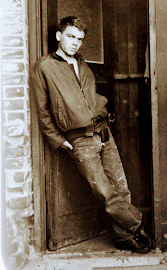
In New York City in 1968, two boys entered an abandoned tenement building and proceeded to explore it. While looking in the various rooms of the building, they stumbled upon a recently deceased body. It really freaked them out. They ran out of the building and found a policeman who was walking his beat nearby.
The dead man looked young-ish, and his body was surrounded by beer cans and religious pamphlets. The identification on him told the authorities that his name was Robert Driscoll, and the coroner decreed that he’d died from hardening of the arteries–a condition that was a side-effect of extensive heroin use. He was 31 years old, but his life of drug use and abuse of his body told a different story. Robert had lived a hard life. Not having a fixed address, the city of New York buried him in their pauper’s field, in a mass grave.
After a few weeks, of course, his parents, having no word from him, set about finding what had happened to their son. They first tried all the friends they knew he had been around, but those friends knew very little about Robert’s activities in recent weeks. It seems that he had disappeared. The parents began to worry. In their desperation, they reached out to a former employer of Robert’s, a company that had been run by a wealthy man who had some connections and could get things found out. Robert’s parents made the phone call, and the employer promised they would do what they could to find out what had happened to Robert.
Now, if you’d’ve asked Robert, he would have told you that his profession was as an artist. In fact, Robert had been a part of the artist colony associated with Andy Warhol, and his chosen medium was the collage. Robert had a good eye, and his collages were intriguing and showed promise. But the allure of heroin and other drugs pushed him to his early death.
Anyway, his former employer set about trying to locate Robert and maybe let his concerned parents know what had happened to their son. Soon, Robert’s former employer, a wealthy, connected company, had an answer. They made the phone call and informed the parents that, sadly, Robert had died from hardening of the arteries as a side-effect of his drug use and that his body was irrecoverably buried in a common grave in New York. The family erected a memorial in a cemetery in California, where they lived, to commemorate the death of their beloved, talented son, who had succumbed to the lure of drug addiction. And they thanked the former employer for their efforts in giving them closure over the death of their son. At least they knew that he was at peace at last.
But, you see, it could be argued that it was that former employer, the famous and influential man, who pushed Robert into his drug abuse. It was while he was employed by the wealthy man that Robert had been fired without any explanation. One day, he was a respected and valued member of the company and the next he was let go without a reason being given by his employer. In fact, Robert had attempted to contact the man at the time, but the head of the company refused to meet with him.
Robert Driscoll is better known as Bobby. He’d won an Academy Award in 1950 for his work as an actor, in fact. You know him and have seen him. He starred in Treasure Island, Song of the South, and provided both the image and voice of Peter Pan in that film of that name.
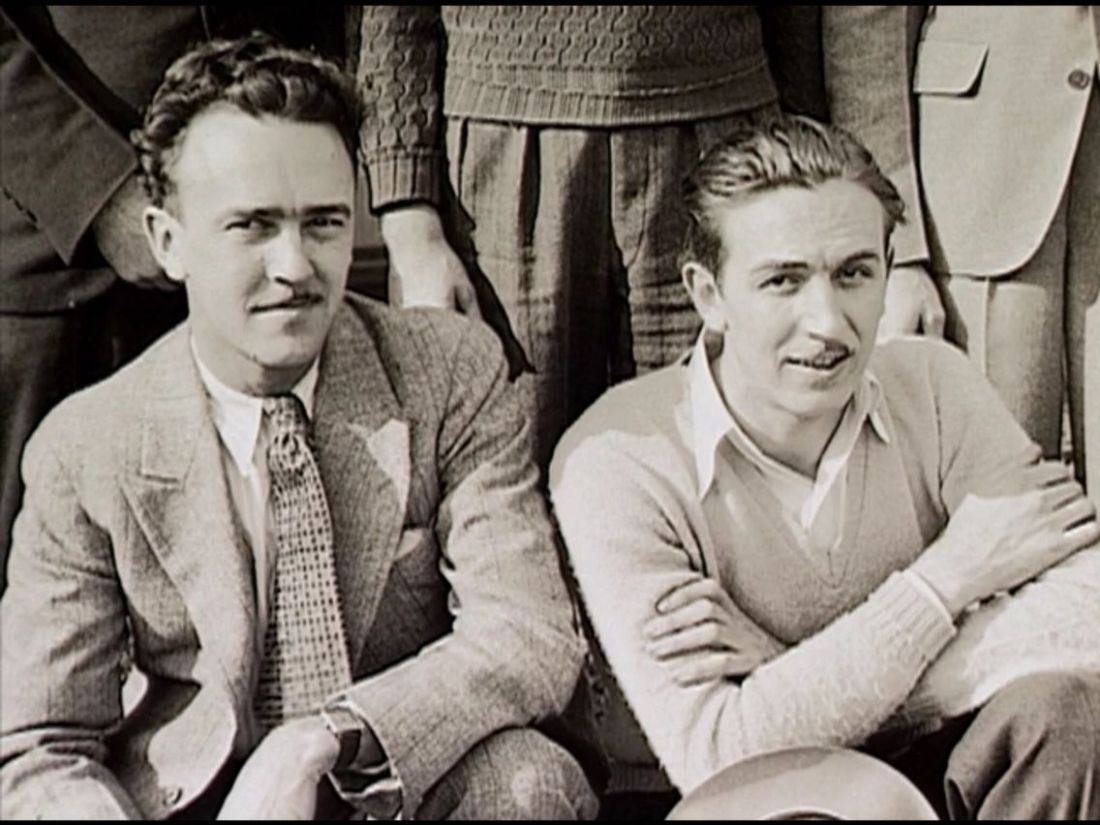
And the employer who’d fired him without any explanation, the man who had owned the company to which the family turned when they wanted to find their missing son?
Walt Disney.
 The Rest of the Story