
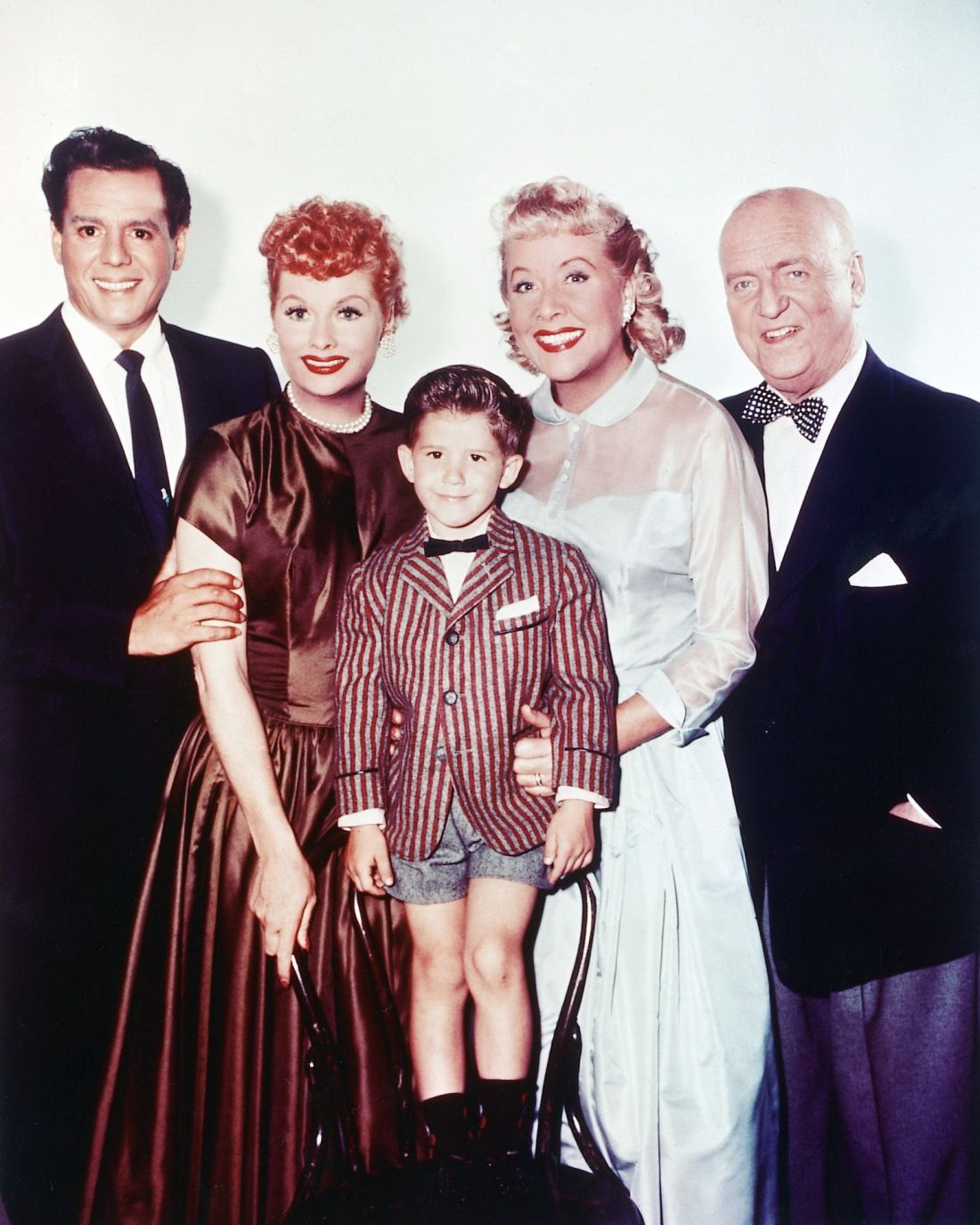
Commercial television has been around for going on 75 years now. The potential the medium had for good, for education, for making the world somehow smaller and better, hasn’t been reached in the intervening decades, sadly. Former head of the Federal Communication Commission, Newton Minow, said as far back as 1961, that TV was nothing more than a “vast wasteland” of useless entertainment, the electronic equivalent of bubblegum.
On the other hand, the world has been brought together around their television sets a few times in the past years. The assassination of John Kennedy, the first human on the moon, the fall of the Berlin Wall, and a handful of other events showed us that, at times, the medium can indeed bring us together in a shared human experience. Then again, many people, especially those in the United States, were united in watching certain episodes of television situation comedies. The last episode of the comedy-drama M*A*S*H drew almost 106 Million viewers, for example. These situation comedies used to be the staple of television in the United States, but streaming services and subscription networks have replaced broadcast TV viewing in recent years.
However, the sitcom remains popular in the modern era with shows like The Big Bang Theory and its spin-off, Young Sheldon, still drawing large numbers of viewers in the streaming age. They and shows like Seinfeld, The Office, Parks and Recreation, All in the Family, and Mary Tyler Moore over the years all follow the same basic formula for the sitcom–one or two often implausible plotlines that get resolved in 22 minutes or so. And they can all trace their formula back to a show in the 1950s that set the mold for the genre. It was a show called I Love Lucy. The plot of the series saw a ditzy red-headed housewife and her up and coming entertainer husband in New York City, their daffy neighbors, and the hijinks that resulted from those interactions. That part wasn’t so unusual for entertainment of the day, but that’s not really what made the show groundbreaking.
Early TV followed much of the formats set by radio programs before them. Sitcoms, game shows, westerns, soap operas, and even musical/variety shows all started on radio years before TV took off and co-opted those shows to the new format. Even then, the jury was still out on whether or not TV would take hold in America. The popular magazine, the Reader’s Digest, had a feature article in the early 1950s that proposed that TV would not become popular because there was no way that Americans would simply sit and watch TV all day. No, the article argued, radio allowed Americans to read or eat or do homework and perform other things besides simply sitting in front of a box and spending our time only watching. I Love Lucy changed all that. The show not only popularized TV, but it also remade the sitcom into something that we all recognize today. First of all, the sitcom was owned by the stars themselves. The Desilu (after the married actors Desi Arnaz and Lucille Ball) Studio produced the show. Arnaz was the driving business force behind it. The show was filmed, not taped, and that gave it a permanence that allowed it to live on in the perpetuity of re-runs. And Arnaz used a three camera set-up that allowed for quick cuts between shots on set, not only one static camera into which the characters had to walk into the shot and out of it.
And, most importantly, the show was filmed before a live studio audience. That was one way to increase the reaction of the TV viewing audience at home; if the studio audience laughed, Arnaz said, that was like having a giant “applause” sign going off in people’s houses. For those later shows, the ones that have come after Lucy in the intervening years, not all of them were filmed live. But most of them added laugh tracks, again to tell the viewing audience when something is funny, thus following the I Love Lucy formula (M*A*S*H famously had a laugh track in all scenes except in the operating room of the hospital).
The show was incredibly popular from the start, with some years seeing it get a more than 70% viewership of those homes that had television. People went out and purchased TVs simply to watch Lucy as well. In its run, the show won numerous Emmy awards for acting and production. For most of the show’s five year run, it was the number one show in the land. Almost everyone in the nation tuned in to watch Lucy have her baby in season 3 (at a time having a pregnant woman on TV was unheard of).
And I Love Lucy did something else that was incredibly forward-thinking for the 1950s in the realm of American culture. That decade saw the increasing rise of the Civil Rights movement where non-white races and other cultures in the United States began to advocate for equal acceptance before the law. You see, Desi Arnaz was born in Cuba. To most Americans, he was Hispanic. And to have him, a Hispanic man who in real life was married to Lucille Ball, be on TV in a relationship where he kissed his wife and slept in the bed next to her, well, that was groundbreaking at that time.
And that’s part of the reason why, while most sitcoms come and go, I Love Lucy stands alone.
 The Rest of the Story