
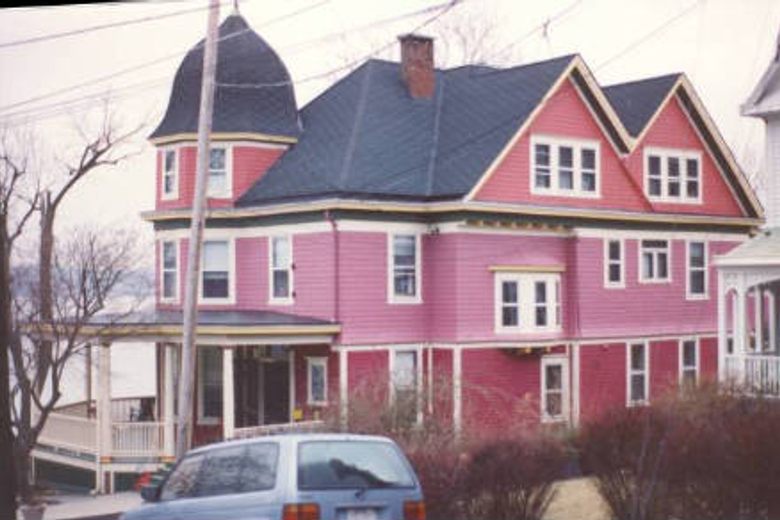
Nyack, New York, sits a few miles away from New York City but far enough away from the metropolis that it feels like the country. Nyack is on the water, and that also helps to make the real estate prices in the town rather high. Picturesque water views and a quaint village atmosphere combine to make Nyack an incredibly desirable location to make your home. It’s the perfect place to live in and easily commute to the city. That’s what Jeffrey Stambovsky had in mind when he put down some earnest money on a nice waterfront property in Nyack around 1990.
Even then, the price for an average waterfront residence was almost three-quarters of a million in Nyack. The Stambovsky family was incredibly excited by the prospect of moving out the crowded, noisy, and busy city and into the calming, soothing village. Not too long after committing to purchase the place, Jeffrey and his wife made the short trek out to Nyack to visit their soon-to-be home and to speak with the owner, Helen Ackley, Ackley’s family had owned the home for some years; in fact, the family had renovated it from the shambles it had become after years of neglect. They lovingly restored it to its former glory, keeping as many original fixtues and features as the building codes allowed. The house had been constructed in the Victorian Style in the late 1800s. It featured 5 bedrooms and 3 1/2 baths and boasted over 4,000 square feet of living space. And, in keeping with the local aesthetic, the Ackleys had painted the house a crimson red. All of this history was fascinating to the Stambovskys, and they seemed to be keen on keeping the house in as close to original condition as possible.
Now, when anyone purchases a house, the person is responsible for doing what is called due diligence. That means that it is the purchaser’s responsibility to find out about the condition of the house, any issues that may be a part of the property such as mineral rights belonging to another, easements, and even if any major repairs are needed to be completed in order to live in the house. And the seller also has a responsibility to disclose whatever they know of the place; to keep such information hidden from the buyer is illegal and could render any agreement to sell the house null and void if they fail to tell the buyer about an issue. And that’s what happened with this house in Nyack. It seems that Ms. Ackley tossed off some information about the house that the Stambovskys heard but didn’t completely understand–or at least they didn’t fully grasp the ramifications of the information. And that information is what Ms. Ackley divulged that weekend when the Stambovskys visited the house in the days leading up to the house closing.
When the reality of the house issue hit Jeffrey Stambovsky, he backed out of the sale. Now, he had put down over $35,000 in earnest money as a promise to buy the house, and, if he backed out now, it stood to forfeit that money. But Stambovsky felt that the information Ackley now told him should have been made clearer earlier in the purchase process. In other words, Stambovsky said that if he had known about the issue earlier, he wouldn’t have put down the earnest money. And, so, he sued Ms. Ackley.
As the case made its way through the court system of New York State, it drew attention because of its unique nature. And when the final verdict was handed down (after an appeal), it favored Stambovsky. The court said that he should have been notified of the issue sooner in the buying process and thus was due to receive his earnest money back.
So, in the court case, Stambovsky v. Ackley, it was decided that a house owner must inform any prospect purchaser, up front, that the house they are buying is haunted.

 The Rest of the Story