

It’s rare that a day goes by when the news isn’t reporting on some group or another protesting about this practice or that book or the other item over there being something that is causing the ruin of modern society. That fear isn’t new. The status quo hates change by definition, and anything that is perceived to be a threat to what most people are used to is often castigated as the “other.” Take the banning of an item in the Middle Ages, for instance.
In Europe of almost 1000 years ago, of course, the Catholic Church was the predominant influence on what was acceptable to society and what wasn’t. And anything that was considered by the Church to be unacceptable was labeled–no surprise–evil. That’s what happened in this case. In fact, the item in question was labeled as “notorious” and “sensuous”–two words that spell Satanic in the minds of most Christians of that time.
But that wasn’t all. This particular item was considered to be so heinous that its use was said to make the user homosexual. Those of us today who snicker when we hear some religious person speak of something “turning our children gay” should know that this type of mindset is, again, not new. In fact, the Church decreed that the use of this item ranked right up there on the list of high sins, right alongside such despicable things as gluttony, the selling of church positions, and even marriage by priests.
I’ll even give you the name of this item. The people of that day referred to it as Pigache. I can tell you that, and you’ll still probably have no idea what it was. The word comes from the middle French word for a long-toothed hoe, but that etymology is more of a descriptor than a definition. And Pigache were banned across much of Europe for several decades because of this association with sin and the Evil One.
We today find it difficult to relate to a time when the things you could use were considered not only illegal but also morally wrong. The Middle Ages were a time when even your thoughts, if you expressed them, could condemn you to prison or worse. That is why we should remember those times in history when mankind used tradition and superstition to coerce others into acting in a way that really amounted to freedom of choice and expression.
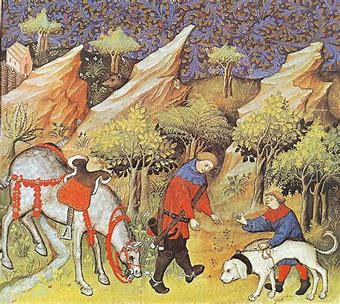
And you’ve seen Pigache before in artwork from the Middle Ages. Pigache are, in fact, so innocuous that you’ve not given them a second thought, yet, at that time, they invoked fear and dread because of the illogical fear of those in power. In the 1950s and since, the Pigache has been used by several groups including Rockers, Teddy Boys, and even more modern haute couture designers on runways across the globe. No one today things anything about it. Most people today know that things like Pigache have nothing to do with the content of your character.
After all, there’s nothing wrong with a pair of long-toed shoes, is there?
 The Rest of the Story