On a Cultural Change

Statisticians say that soon, and possibly even now, the nation of India is the world’s most populous. The country is hardly a monolith, with a wide range of cultures and mores, beliefs and practices as well as a disparate history spread across a country that is the seventh largest in area. However, one constant cultural tradition had endured in India for hundreds of years: Women experienced lives that had fewer rights and choices than men have. Now, that was often the case in the western world as well (see the differences in pay rates for women verses men even today in most western nations), but India’s discrimination against women often bordered on servitude. But the culture has experienced change in the prospects for women mostly in the past 100 years. Most of that drastic change has occurred in the past almost 40 years due to an interesting addition to the lives of most Indian families.

The typical Indian family used to be patriarchal, hierarchal, and relegated women to specific roles and jobs within the family. For example, traditionally, women in India couldn’t own land or have any sense of self-determination. Multi-generational households depended on keeping the men as the decision-makers and keeping women in the supporting roles. Again, this was true to a degree in the west as well, but in India, the oppression was somewhat harsher before the 1900s. Change began happening during the period of British control of India (one of the few good things to result from that period, perhaps); women were granted more rights, and a few upper class Indian women were even allowed to serve as governmental administrators.

And that’s an added layer of oppression for women in India, historically: The Caste System. The upper class, made up of priestly families, is followed by an administrative class, a skill worker and famer class, and then a laborer class is at the lower end. Even still, there is one more class below the laborers–the untouchables, the poorest of the poor and lowest of the low. The British not-so-subtly used this caste system throughout their occupation, using the upper classes and Christian Indians in governmental positions almost exclusively.

However, women in India were given the right to vote at almost the same time women in the United States were given it–1921. But the combination of a tight family organization and the caste system kept most women from achieving their dreams and ambitions.

That began to change dramatically in the 1980s, and it changed for an unusual reason. You see, the change began to happen because of the purchase of a consumer item by most Indian homes. It has been documented that, in the year 1988, for example, five of these items were sold in India every minute, and the purchase of the item radically changed women who were exposed to it. The women of India were introduced to other women through the item; they were able to see that there were options to the lives they were living and those their daughters could have in the future. And the laws in India in the modern era meant that there was nothing legally the men in the families could do to stop the women from pursing their dreams and goals. They began shunning old traditions, according to one source, and they began to become more independent. They began practicing self-determination without the control or interference of the men in their lives. That means that today an entire generation of Indian women have reached their 30s with this new mindset and this new-found freedom of self-determination.

And what was the instrument of this radical change in India society among the women there?

Television.

On a Whim

The Abraham Family had left India and immigrated to the United States. There, they embraced the new nation and its culture, history, and heroes. One day, the husband and wife, with the wife’s mother and infant daughter in tow, decided to do one of the most American things you can do–take a road trip.

This was November 1969, and the nation was in the middle of social unrest and upheaval. The 1960s had been a kidney stone of a decade. The decade had seen assassinations and wars. It amplified much of what had separated the disparate parts of America, putting us against each other in tribes of youth verses establishment, black against white, immigrant against native-born, and pro-war against anti-war. Yet, that is part of what made the Abrahams want to see America’s heartland, to seek out what made their newly adopted nation tick. So, they went to Ohio.

Wapakoneta, Ohio, probably doesn’t rank high on most people’s travel destination lists, but the Abrahams thought it was the perfect American place to see. So, they stopped in the town that today boasts less than 10,000 souls and rests between Toledo and Dayton. Anisha, the infant child, doesn’t remember the trip, but she talks about that visit to Wapakoneta to this day. You see, the reason she talks about that trip is that her family–both adult women wearing saris–decided to knock on the door of one of the houses in the small Ohio burg.

The older couple who lived there were named Stephen and Viola. Now, most people wouldn’t open the door to strangers in a small town, especially obviously foreign strangers. But Stephen and Viola did. Not only did they open the door, they welcomed the newly minted American multi-generational family into their home, the family who knocked on their door on a whim.

There’s a photograph that Anisha Abraham cherishes of that day. Standing on the front porch of Stephen and Viola’s house in that small Ohio town, we can see the three Abrahams, we see Anisha’s grandmother, and we see the welcoming Ohio couple who chose to open their house and hearts to this family. Viola, wearing a coat against the November chill, holds little Anisha. The men wear ties against white shirts. In many ways, it’s an odd composition, but it represents much of what is wonderful and good about the American Experiment: A spirit of camaraderie, a unity that brings disparate backgrounds and races and beliefs together and somehow makes them all, well, American.

Oh, and the photo was taken by Stephen and Viola’s 39 year old son, who just happened to be home visiting his parents that day. On one hand, it would have been great to have had a photo with him in it, but, in a way, it’s ok that it didn’t.

Still, not every immigrant family to America has proof that they knocked on the door of Neil Armstrong’s house on a whim.

On a Fitting Resting Place

Some of my earliest memories are of going with my mother to the cemeteries that dotted the western panhandle of Florida where my ancestors are buried. She’d stop at the graves of those she especially loved and tell a story about that person. For my mother, to have all these loved ones surrounded by their families and friends was fitting and right and proper. These weren’t places of sadness to her; they were places of love and family. This is another such story of a fitting final place for a loved one.

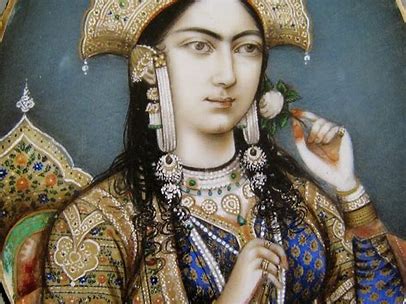
With the advances in medicine in most of the western world, we take for granted that childbirth will be relatively safe compared to what it has been historically. Yet, 400 years ago, childbirth was fraught with danger (We’ve looked at the development of the Cesarean section before). In 1631, a woman named Mumtaz died in childbirth in what is now north central India. She was only 38. Her husband, a rich man named Jahan, was devastated by the loss. Mumtaz was his life. In a time when women were often seen as property or worse, Jahan looked to Mumtaz as a true life-partner. Not only was she incredibly beautiful, but she also was wise, and she acted as one of Jahan’s closest advisors. She was clearly the light of his life.

For an entire year, Jahan remained in seclusion. He forbade anyone to see him. Servants would bring his meals and leave them outside his door and return later to collect the dishes and half-eaten food. When he emerged after the year of mourning, reports say that Jahan’s hair had turned white in his extreme grief. He emerged from his seclusion only when one of his daughters–one that favored Mumtaz to an incredible degree–begged him through the closed door to come out and continue to live, to love on the family that remained. Jahan reluctantly agreed, but that’s when he announced plans for the fitting resting place for his beloved light of his life.

And Jahan vowed that Mumtaz resting place would reflect that fact. And even though we think of graves or cemeteries as being places of sadness, Jahan conceived of a grave for Mumtaz that would evoke her beauty, her grace, her elegance. In short, he wanted people to see the grave and not think of death, but, rather, to think of love. Therefore, Jahan ordered that no expense be spared in preparing her grave. You see, Jahan was wealthy and powerful. He had the money and the ability to build a fitting monument to his bride. And so, he did so–a the cost of $1 billion dollars in today’s money.

Jahan would live another 30 years without his beloved by his side. And he grieved for her every day. He longed for sleep, he said, because it was there and only there that his Mumtaz would be able to visit him, to touch him, to be with him again. When he died, he was entombed with her, their mortal remains lying side by side in the great, illustrious, and fitting final resting place.

His shrine to her, still shines today.

In fact, over 6,000,000 people a year visit Jahan’s shining monument, a place that’s not a monument to death, but, rather, a testimony to love.

The Taj Mahal.

On an Benevolent Racist

We’ve looked at the topic of racism in other posts in this blog series, but this particular post is about a racist that most people didn’t realize was a racist when she was alive. To begin with, this woman felt that those of the so-called “inferior” races should accept the lot that God gave them in life. And, if there’s one thing that is difficult to fathom, it’s someone who uses religion and/or God to justify their hate.

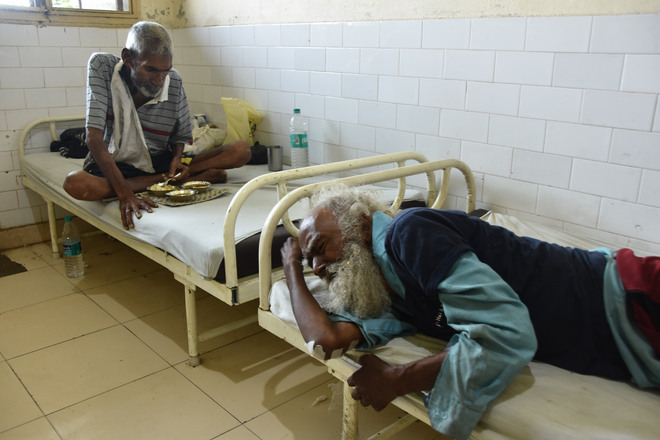
This woman ran a large organization that was built, ostensibly, to help the poor receive medical care. The opposite was in fact true. Most people who came to the organization run by this woman received little to no help at all. And, to make matters worse, the woman publicly didn’t care that her group failed to fulfill its stated mission. Again, it was due to the fact that she was of the “correct” race–white–and those whom the organization was designed to help, well, weren’t white.

“The world,” she said once, “is better off because they (the non-white people) suffer.

Sheesh.

You see, the problem wasn’t that the organization lacked funding. The opposite was true. They were simply drowning in funds. The woman was an astute and crafty fundraiser. Yet, the facilities of her organization (and there were over 100 of them) were poorly equipped and the staff–my God, the staff!–were worse than useless. Most were without any kind of certification or qualification in helping poor people with their medical issues. Again, the reason for the these conditions was that the woman simply didn’t seem to care about those whom she was supposedly there to help. Their plight was what God wanted for them, sure, but it was what they were supposed to receive, what they were destined to receive, simply because they were not worthy of the quality of care the so-called superior races deserved.

Who was this medical Cruella de Ville? Well, I can tell you she was born in Albania, a nation that is not exactly the wealthiest nation in Europe. She was more of a cultural racist in a way. Christianity was the true religion, she felt, and she insisted that many of the people who applied for help in her organization first convert to her religion before receiving help.

And it gets worse. This woman sought out audiences with dictators around the world, men like Haiti’s Duvalier and her native Albania’s communist strong man, Hoxha.

Ultimately, the reason she decided to “help” those less fortunate than she was that she truly felt that help for the non-whites should come from their “betters.”

Can you believe the gall of this woman?

And to think that Mother Teresa of Calcutta became a saint in only 5 years.

On a Servant

Given the relative size of the United Kingdom today, it’s easy to forget that Great Britain was a superpower 150 years ago. The saying that the sun did not set on the British Empire was certainly true during the Victorian age. Anything and everything the British public desired and that the world had to offer England imported to its shores during the late 1800s. India became a large and important jewel in Britain’s imperial crown.

One commodity that became fashionable among certain moneyed families of the period was foreign domestic help. Britain’s India colony held a great fascination at the time, and the subcontinent’s wealth of spices, jewels, and fabrics became all the rage in London. Thus, importing Indian labor became rather the thing to do as well.

This story is about one particular upper class British family who followed the trend and brought Indian servants to England. The family was not only well to do, but it was also well respected. The patriarch of the clan had died some years before, but it was the grandmother, the widow, who actually ruled the roost. And she became particularly taken with one of the Indian servants the family procured.

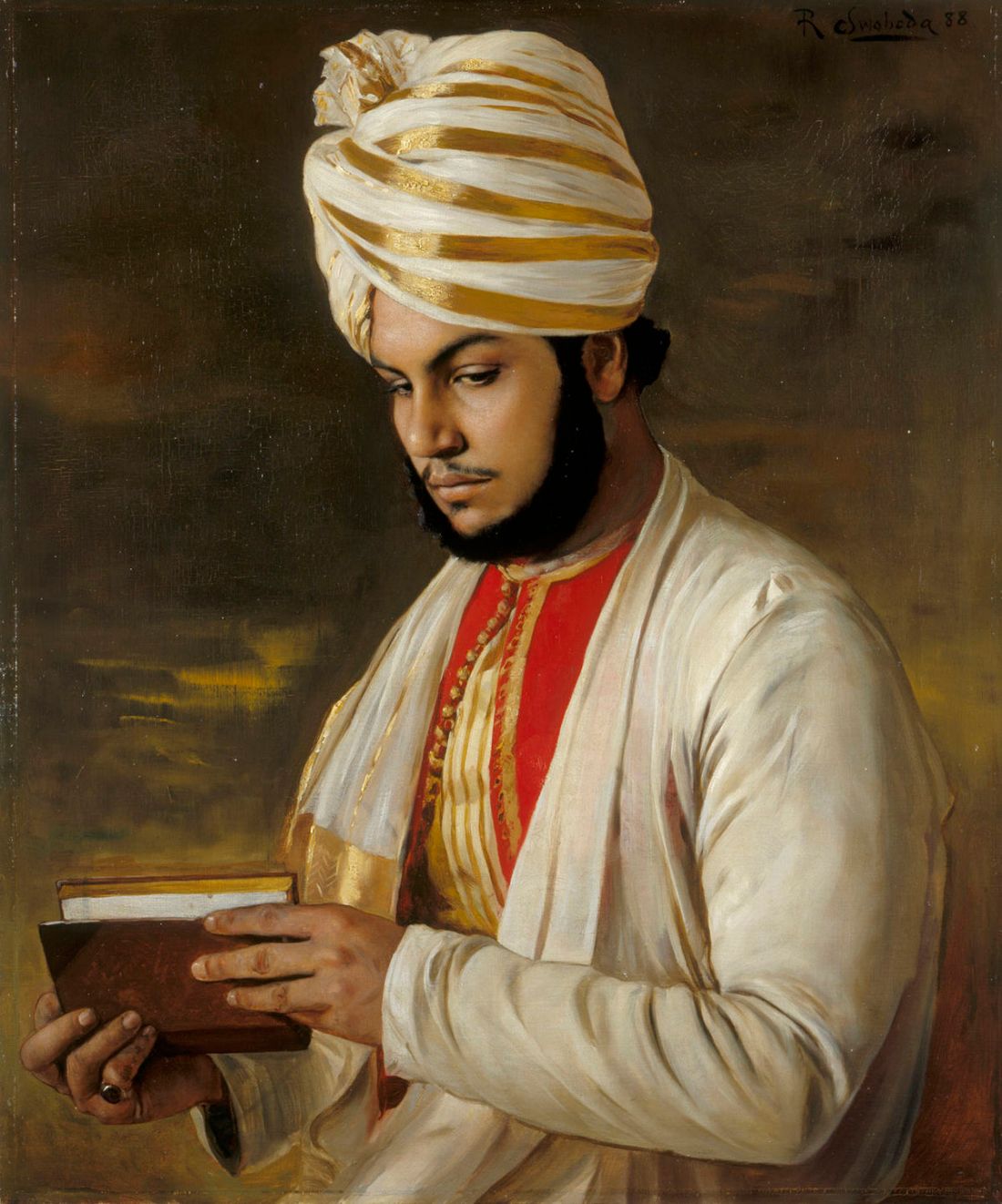
Her adult children at first were mildly amused at the attention the older woman showed the much younger—and differently colored—man. Soon, their amusement turned to concern and then to almost outrage as the relationship between the old woman and the young man seemed to be turning into one that resembled the relationship between a mother and son. The old woman would write letters to the servant, giving him gentle instruction and matronly advice in a kind, adoring tone. She asked the young man to teach her some of his native language, also. She affectionately gave him the title of “my teacher,” and she elevated him to somewhat of a personal private secretary. Such a thing was unheard of in polite society of the day.

The family became apoplectic. “This simply must not stand!” they would say to each other out of her earshot. “What will everyone say?” they wondered. “It’s an outrage!” her oldest son remarked on more than one occasion (and with some bitterness, too, it was noted). Such was the level of racism at that time that the family feared their good name would be besmirched if the young man would be seen by friends and relatives to have an exalted position in the family. And so, the old woman’s family began plotting how they could arrange to have the servant dismissed without incurring the wrath of the matriarch who had come to dote on the young man so.

But such was the special bond between the pair that the young man lived to see his benefactress die in the early 1900s. Even at the old woman’s death, the special bond between the pair was on display for all to witness. And, again, the family was outraged.

For, you see, it was neither her family—her 9 children—nor her 42 grandchildren—who saw her mortal remains as the lid to her coffin closed. No, that particular honor fell to one Abdul Karim, a Muslim Indian man.

It was he who last laid eyes on the body of Victoria, Queen of the United Kingdom of Great Britain and Ireland.