On a Feared Beastie

The Middle Ages, The Dark Ages, the Medieval Age, all mean the same thing, basically. We usually think of it as the centuries between the fall of the Roman Empire in western Europe until roughly the beginning of the Renaissance (the so-called “Re-birth” of knowledge). During those centuries, wars (including the Crusades), famines, pestilence (Black Death, etc.), monasticism and the power of the Catholic Church, Feudalism, and so so so much more happened. Surprisingly, what is little discussed by most historians is the thing that many Medieval people feared the most: A creature of the forest.

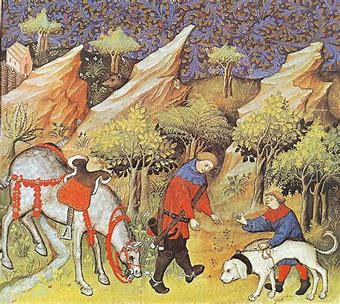
It’s hard to describe the terror this “thing” in the woods brought to people for hundreds of years. There are illustrated stories copied by monks of the period showing the beast with huge teeth, the blood of its victims dripping from them. In these drawings, the creature towers over the hapless folk as it grabs them around the throat and begins to viciously rip them to shreds.

In a world filled with legends and folklore, such a terrible beast caused nightmares and made strong men quake with fear. Woods were thick and dark. Getting lost in them often meant death at the hands (or claws) of wolves and other fabled “monsters” of the time. Tales and stories passed down through the generations only added to the fear that the common people kept in their hearts.

Now, please be aware that people of that period weren’t without their abilities to fight this menace; in fact, many people in the countrysides actively hunted the beastie. They killed it often, to be sure, but the ones they managed to subdue were much, much smaller than the ones depicted in the monks’ texts.

Perhaps, some historians suggest, the hunting of these smaller versions of the beasts was man’s way of trying to gain control over a fear that had been laid deep in man’s heart. But, even if that is true, these smaller versions that people killed (and ate as well) were not the ones feared. No, the ones that filled people’s imagination were, as one writer said, “sadistic, cruel, and violent animals” that no man could easily subdue.

And these things could use swords as well.

Your imagination might be thinking of some type of Grimms’ Fairy Tales-type monster as the one that terrorized generations of Middle Ages Europeans. You’d be wrong.

What was this terror of the Medieval Age?

The common rabbit.
On Two Close Brothers

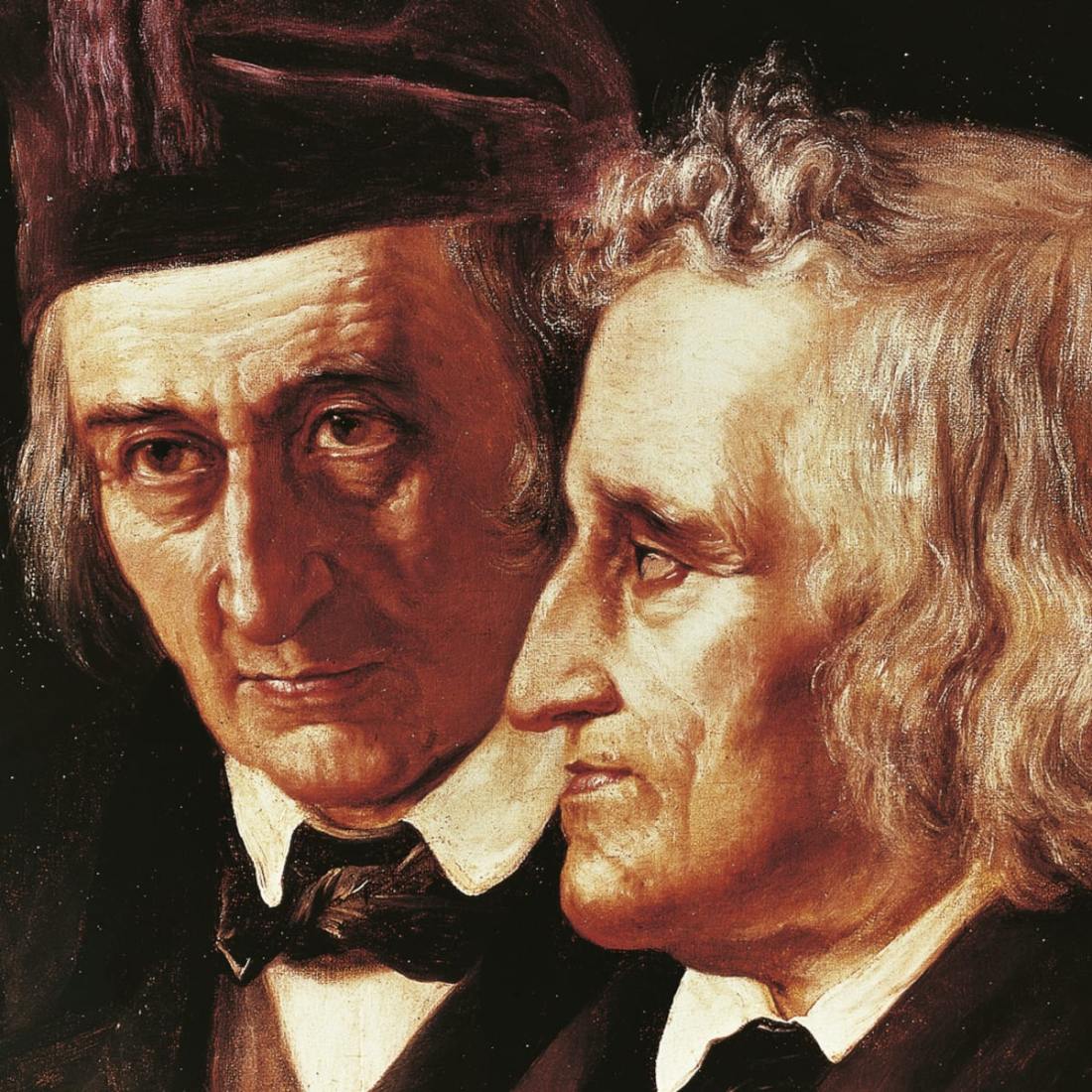
I’m the youngest of three brothers, so I understand what it’s like to be close to your siblings. However, Jake and Will were inseparable. Only a year apart in age, the brothers did everything together. Part of their closeness came from the fact that their father died when they were young; the brothers, even though not quite teenagers, became the co-heads of their family, tasked with caring for their mother and other siblings.

The poverty that their dad’s death plunged them into also shaped their personalities. As they grew and began their advanced schooling, they realized that students at their university who came from wealthy families received more perks and privileges. Thus, because their low economic status kept them from social functions and other gatherings, the brothers decided to spend their time in study rather than pursuing popularity or social interaction. As a result, first Will and then Jake both finished at the top of their respective classes in college.

The brothers then began academic careers as researchers. This would continue to allow them to work together in various projects and papers. Of course, the pair lived together, shared an office, and even taught classes at the university in classrooms near to the other one. Will managed somehow to convince a woman to marry him; she had known the brothers since they were young boys, and she understood their close relationship. The fact that Will was now married didn’t separate the brothers. In fact, Jake moved in with the newlyweds practically without being invited; his presence was simply assumed. Their research continued unabated.

The brothers lived in a country that was only then starting to search for a national identity, and the brothers’ research sought to ferret out the literature of the nation, both written and oral. The government even provided stipends for the brothers to dedicate their efforts to such things as writing a national dictionary (this would be published after their deaths). But their true love was seeking and finding those old folk tales that they felt truly showed their country’s culture and ethics as well as the religious elements of their country’s burgeoning national consciousness.

Jake would form the stories in broad strokes, and Will would come behind him, edit the stories, and make them similar stylistically. Eventually, despite several other concurrent projects, the brothers managed to assemble over 200 stories. Jake and Will had no trouble finding someone to publish their findings. Their stories became not only hugely popular in their native land but also across the globe. Some historians claim that their work has been outsold only by Shakespeare and the Bible. Today, their work is listed by UNESCO as one of the world’s greatest works of literature.

You have read these stories many times.

Grimms’ Fairy Tales.