
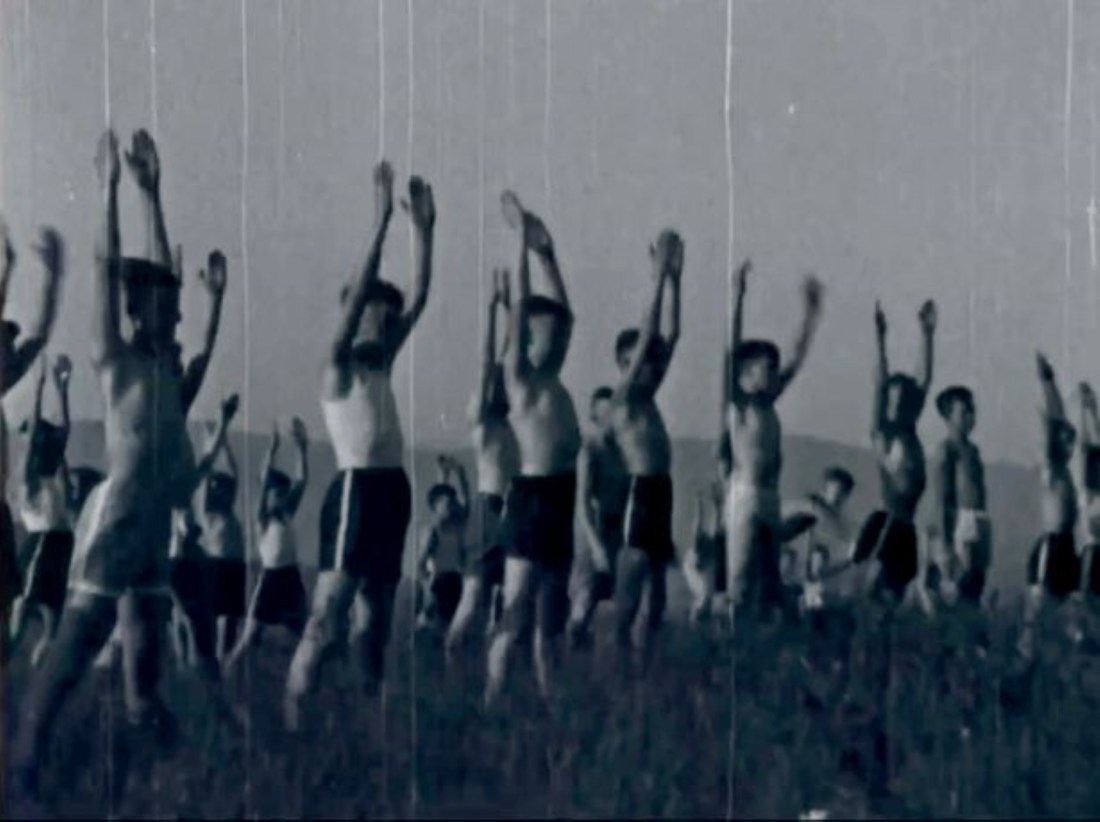
The cold of January causes many to turn their thoughts to the warmth of summer–and how we can ditch the kids for a week or even several at a summer camp. So, we bring out the camp brochures (or, at least, we used to) or look online (more likely now) and try to find one that would fit Billy’s likes or Susie’s interests. There are camps that feature learning how to animate, for horse riders, sports camps of all stripes, and even the good ol’ fashioned simply-get-out-in-nature-and-rough-it camps.
I was a camper most summers. In my college student years, I even made some summer cash being a camp counselor. Camps can be fun and places of learning and enrichment. That latter word was behind the establishment of several camps in the late 1930s in the United States. Remember that the US was still trying to come out of the clutches of the Great Depression, and, while war clouds loomed over Europe and some of Asia, in the US, we were more concerned about issues at home. And these camps were designed to get kids out in the glory of nature and teach them a thing or two.
The camps followed the Boy Scout model where boys and later, girls, would go out into the wilderness and pitch their tents, learn to cook over a fire, maybe learn firearm safety, and practice survival skills. Most of these camps also mirrored European models of getting youth away from cities and into healthy environments. Besides, having the kids away for a time could also help the family financially because they didn’t have to feed them for that time period, and we all know how much teenagers can eat.
The camps were also set up with cultural ties to Europe as well. Strengthening ties to Europe, it was said, would foster the concept of international cooperation and promote the ideas of peace and understanding between nations. Again, this was seen as being important given that Germany, especially, was rearming and making threats of military expansion against its neighbors. If American kids could understand the risks involved in getting involved in a war in Europe that seemed to be inevitable, well, so much the better. They shouldn’t interfere in any European war that might come, they were told, shouldn’t interfere like America did in World War 1, an act that, arguably, won the war for the Allies and brought German defeat.
So, in addition to the healthy running, and hiking, and playing, and survival training, counselors and camp directors instructed kids at these camps on international geopolitics. They explained what Hitler was doing and why he was doing it. They taught the history of the previous world war and how those events led the world to the brink of another war only a generation later.
In a dozen locations across the US, from California to New York, hundreds of American kids aged 8-18 were sent away to these summer camps in the late 1930s where they received the strengthening of their bodies and their minds. Please note that minorities were not allowed in these camps, however. That included Americans who practiced Judaism. Especially those.
It’s important to remember that, in the 1930s, a full 25% of Americans had German ancestry, and that percentage was significantly higher in such places as Wisconsin and Minnesota, for example. The camps targeted these populations for the camps because, well, they often still had some familial ties to Germany and would be more sympathetic towards what Germany was doing. It was important to influence these young people to grow up and promote America’s ambivalence towards German aggression in Europe or even outright support it.
It’s why the American Nazi Party set up the camps in the first place.

 The Rest of the Story