On A Bad Film

The film seemed doomed from the start.

First of all, as with all films, the script is key. In this case, the screenplay was largely unfinished even as shooting began. Rewrites were submitted and often rejected weeks after shooting started. Several writers were brought in to help pound out something resembling a script, something the director and cameramen and techs and actors could put on film, but the story didn’t seem to have any direction. Several writers came and went. One writer who worked off an on to develop the script decided that it was too embarrassing to have his name associated with the project, and he declined any credit at all.

The leading man called for a tough guy, and actor George Raft was asked if he wanted to play the lead. No thanks, Raft said. This film reeked, and Raft wanted nothing to do with it. He declined the role, and it went to the producers’ second choice. Even this new guy wasn’t so sure about the film. He and his co-star, a lovely woman and a fine actress, would eat lunch together on the set and bemoan their situation, stuck as they felt they were in a story that was schmaltzy and cheesy, with sappy dialogue and sentimental claptrap. To pass the time while waiting for scenes to be written for them, the two played poker, the actor teaching his co-star how to bluff, when to fold, and how to bet. He told her that he should take his own advice and leave the picture–fold his hand–but he had committed to it and vowed to see it through. Sometimes, kid, he said, sometimes you just gotta tough it out, even if your cards are terrible.

The actress agreed. She was some 16 years younger than her co-star and wanted to be involved in more serious roles and not get pigeon-holed as a romantic female lead. The dialogue was vapid, she complained, and she would often say her lines and then roll her eyes at how silly they sounded. Oh, well, she told her male counterpart. We will look back on this experience one day and laugh that we were a part of such a silly little film.

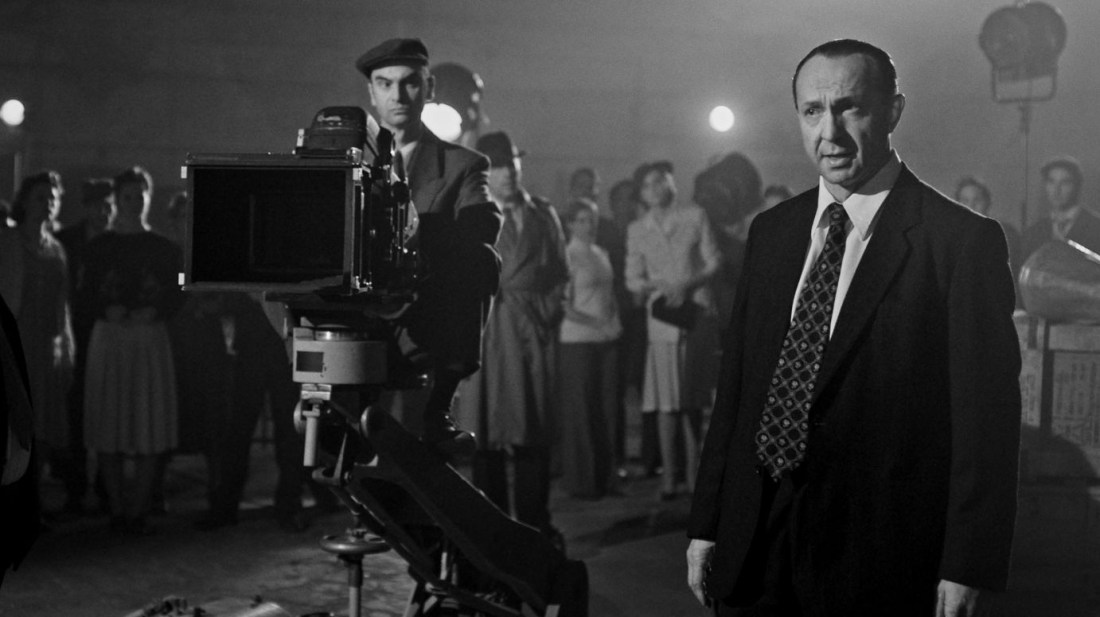
Then there was the third billing actor. He had been a veteran of the silent film era, an international star in his day, and he had recently worked with Bette Davis. He saw himself as a leading man, so he resented having to play backseat/third banana to the “tough guy” character. And the director of the film—this actor loathed that guy. In fact, no one really liked the director. He was famous for being particularly difficult to work with. He often displayed a mean temper, he demeaned actors who didn’t meet his “standards,” and he sometimes belittled the techs who worked with him. One writer later said he was, “a tyrant…[whose] behavior is said to have inspired the formation of the Screen Actors Guild.” He was, in the words of one actor, “a pompus bastard.”

Ugh

Yet, despite all these issues, the film managed to limp to a conclusion. It finished over budget and shooting took longer than the studio had scheduled for the set. The cast, crew, writers, producers, and even the director left the shoot with sighs of relief and determined to put the filming experience behind them.

Yet, despite all of these issues, Casablanca stands today as one of the best films ever made.
On a Fanboy

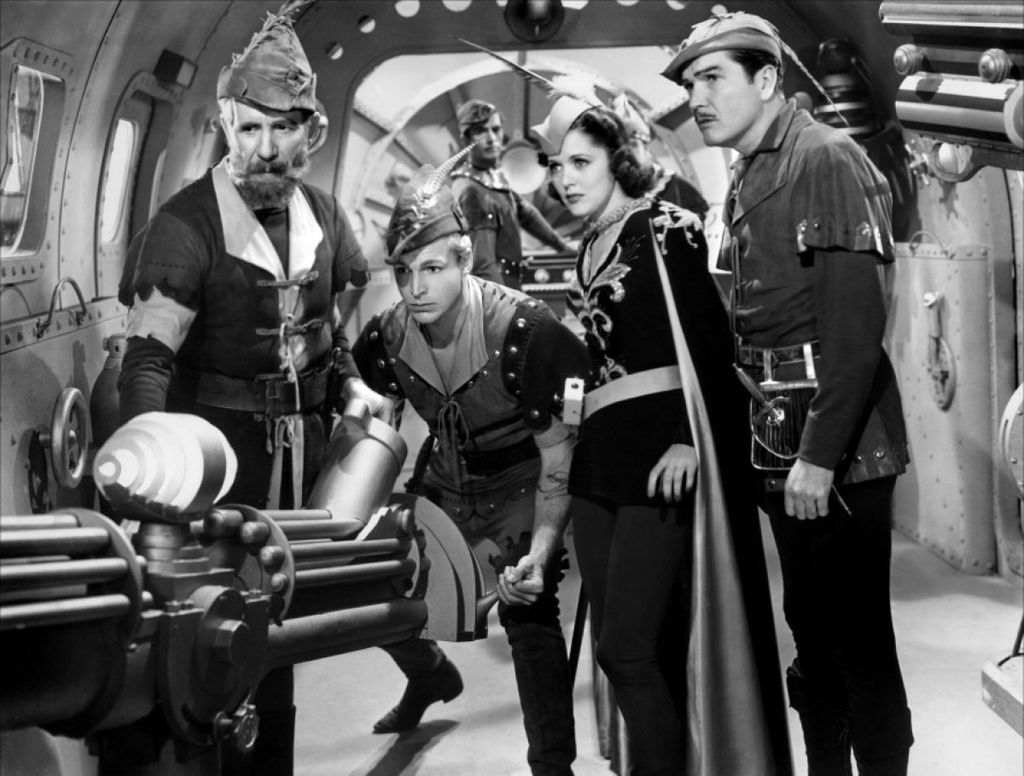
Growing up in the 1950s in the US, George loved going to the movie theaters to see films, but, more importantly, George loved the Flash Gordon series that theaters showed. For those who don’t know, the Flash Gordon character had started life as a comic strip and was adapted to a film series that was shown usually after the cartoon and before the feature. And George lived for Flash’s latest adventures. The theater became where George would go to spend his allowance every week just so he could see what Flash was up to.

As an adult and after college, George worked as a writer among other jobs. He wanted update the Flash Gordon stories into a more modern film version. So, he set about finding information on what it would take to purchase the rights to the character. Then, he could produce a screenplay based on Flash.

But this is where George became stymied. He found at first that the rights to Flash were way beyond his income level. Secondly he found that the rights were by then (the early 1970s) owned by a film studio already, that plans were already being made to turn the story into a film. Man, that really bummed out George. He loved Flash Gordon, and he felt that only a true fanboy like him could do the story justice. According to his friends, George became truly depressed over his inability to obtain the rights to the character.

He began researching the origins of the Flash story. He traced the creation of the original comic story to a man named Alex Raymond and found that Raymond had gotten his inspiration from Edgar Rice Burroughs of Tarzan fame and some of the other early science-fiction writers who wrote at the end of the 19th and beginning of the 20th centuries. The more he researched, the more he became fascinated by the project exactly as a true fanboy would.

George reached out one more time to the film studio to see if they might reconsider and let him have the rights to the Flash story. No deal.

So, as George himself said, “I’ll just have to create my own story.” And so, he did. And we owe it to the owners of the Flash Gordon rights that George created an even bigger, much more popular story than Flash himself.

Yes, only a true fanboy like George Lucas could create Star Wars.

On a Vaudevillian


Vaudeville is largely unknown by most people in the world today. 120 years ago, vaudeville was the major form of entertainment in most small towns. Films were in their infancy, and they had yet to make an impact in the American psyche.

Vaudeville acts would tour the country, and, if you lived in a certain town, you might see a different act every week at your local theater. The act would contain everything from musical numbers to small dramatic works, magic acts or even trained animals.

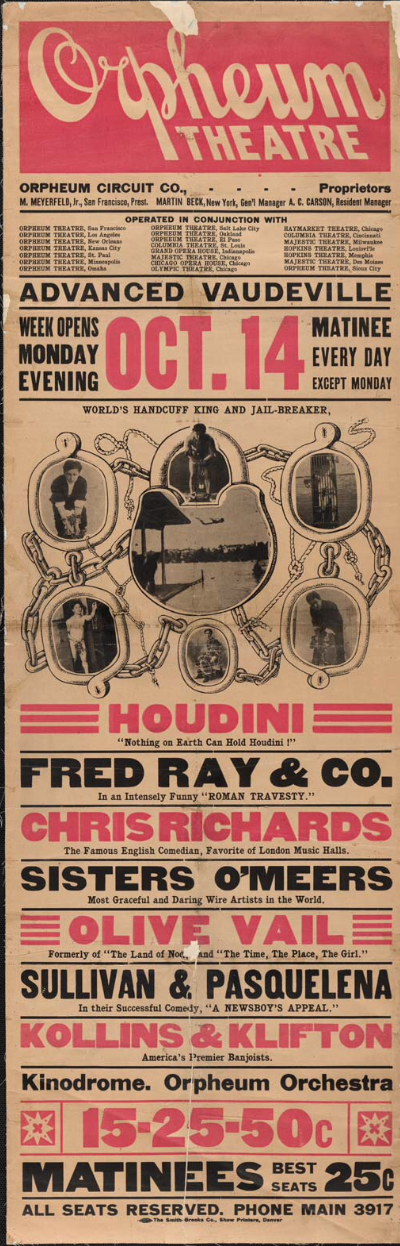
A baby named Joseph was born to a vaudeville family in 1996 in a small town in Kansas. Joe was born there simply because that’s where the family happened to be performing that night. So, it is entirely fair to say that Joe was born to the stage. His dad partnered with a magician who would later go on to great fame, a guy named Harry Houdini. Joe’s dad would perform with his wife and, after Houdini did his magic act, Dad would also sell elixirs and patent medicines to make a few extra bucks.

Joe got in on the act within a few months of being born. As his mom would play the saxophone on the side of the stage, Joe’s dad would toss his young son around the stage, and the baby would giggle. This delighted audiences after they recovered from their initial shock of seeing a child being thrown around so casually. But Joe learned early how to land like a cat; he later said that the secret was to go limp and then catch yourself with an arm or a foot. “Most people don’t last long in this business because they don’t know how to do that,” he explained.

Early on, Joe realized that the laughs from the audience would be greater if he did not giggle so much when his dad tossed him around so cavalierly. So Joe learned to show no emotion during the act. His deadpan face caused the audience to roar even louder. That meant more money for the family.

Years passed , and Houdini left the act to go on to bigger and better things. Joe’s dad began drinking heavily. The family tried to improve their fortunes by going to the UK on tour, but that venture failed miserably and put the family in debt. Joe’s mom eventually took her son and came back to the US. More years passed, and Joe served in France in the army during World War 1.

In New York City, Joe met a guy who worked in the burgeoning new film industry. On a tour of a New York studio, Joe expressed his fascination with the medium, and he asked if he could take one of the cameras home with him. There, he took the contraption apart and looked at it carefully. The next day, he came back and asked for a job and was hired as a bit player and “gag man.“

By 1920, Joe earned his first starring role in a full-length motion picture. Soon, he was one of the biggest stars in the genre, writing, starring in, and even directing his own films.

In an interview, he talked about his early days in vaudeville and how he got the nickname by which he became known around the world. “As a baby, I fell down some stairs and landed at the bottom without being hurt. Harry Houdini laughed at that and said, ‘That boy’s a real buster!’”

Thats why you know him as Buster Keaton.