
On Some Invented Words

She and I, former friends, found ourselves in a pickle. Our relationship had seen better days, that’s for sure. That when the green-eyed monster, jealousy, had raised its bedazzled head. The cold-blooded and hard-hearted rant it started came out of my mouth without my even realizing it. True, I was wearing my heart on my sleeve in that moment.

Oh, it was absolutely character assassination, no doubt about it. Did she deserve it? Arguably not; some would say that it was baseless, but my ranting had a certain feeling of vindication to it even though it was at the same time obscene. Someone who saw it might say I was rather sanctimonious and that my behavior was laughable.

The thing is, once you start publicly shaming someone, it becomes like an addiction. It feels so cleansing, so cathartic. Oh, some might label you zany for critically and verbally assaulting someone like that. And the object of your castigation, your verbal attack might see you as an arch-villain.

And if you happen to be an eyewitness to such an eventful tirade, if you happen so see such a sorry sight, you won’t soon forget it. The inaudible terror that flashes on people’s faces when they hear your screed is also something to behold. It can make your hair stand on end.

It’s even more terrifying when it happens in the workplace, as when a manager berates a worker. You feel for the employee as the manager swaggers over them publicly and verbally, knowing that the whole place has been made uncomfortable by the scene. If the person gets fired, then sometimes, you have the embarrassing scene of the watching the disheartened worker realize that the game is up. You see them gathering their belongings in a hurry and beating an inauspicious retreat.

You’re probably wondering what all this means, well, wonder no more. You see, all those words and phrases–and dozens more–were created by one man some 400 years ago. We use them today without a second thought.

But we wouldn’t have any of them without the majestic genius of the auspicious William Shakespeare.
On the Queen’s Death

It’s been some time now since Queen Elizabeth died peacefully in her sleep at her residence. She deserves a moment of reflection by us on a life well lived. While her death was not from an accident or some other misfortune, it was still somewhat of a shock to the nation. When any monarch rules as long as she did, to think that she no longer sat on the throne stunned most of her loyal and loving subjects.

Elizabeth had spoken of death many times. “I know I am mortal,” she said once in a speech to Parliament, “and have prepared myself for death, whenever it shall please God to send it.” Her measured words, delivered in a calm, matter of fact manner, reminded all of her nation that death is no respecter of persons, that it visits both rube and royal, both commoner and king.

She was literally born to rule if anyone ever was. Her father, a ruler who saw the nation through perilous times and through terrible struggles, who led the nation for much of the middle part of the previous century, had not produced a son. It had therefore fallen to Elizabeth to assume the throne at a young age when the crown was vacated. At the time, some questioned whether such a young girl could rule, could wield power, and hold the nation together, but Elizabeth more than proved her detractors wrong.

When she passed, a simple notice was made on the gates of the residence. A crowd had gathered after hearing of her being unwell, expecting the worst but praying for the best. The murmured prayers and lit candles on behalf of the beloved monarch stretched up and down the street in front of the gates. After the announcement, the assembled crowd fell into hushed reverence, as the prayers became silent ones for both Queen and country.

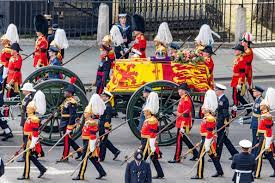
As you know, Elizabeth’s funeral was attended by hundreds of dignitaries. The amount of sorrow over her death and the respect for her years of service affected all who saw the event. People began to wonder what would happen to the nation now that Elizabeth was gone. What would the new King be like as a monarch? Even if the incoming monarch were to prove capable and a good ruler, the consensus was that there would never be another like her.

And Elizabeth also had a way of engaging her people with her life. She set trends for the modern monarchy but also in the areas of the arts and fashion as well. Historians will continue to look to her time as monarch as sort of a golden age in the nation that may well never come again.

In fact, Queen Elizabeth I, who died in March, 1603, is known today as the greatest queen in England’s storied history.