
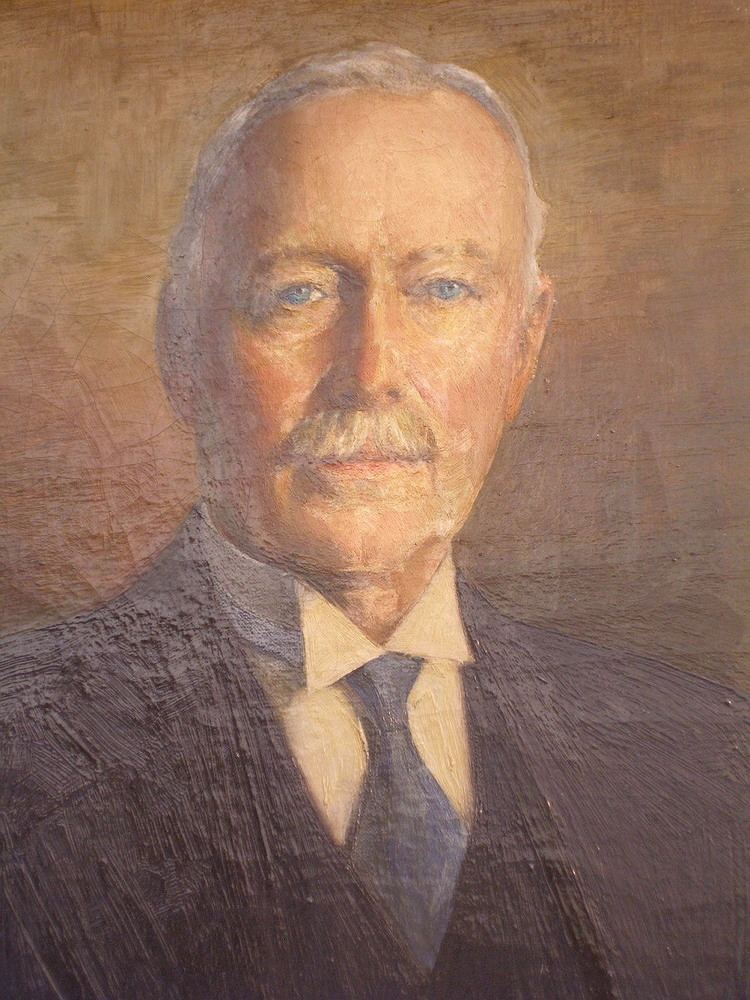
If you’ve ever been to Florida, you know about snowbirds. They’re those denizens of the northern climes who go south–specifically to Florida–for the winter. And, in the early 1900s, one such wealthy snowbird decided to make Florida his winter home. His name was Edwin Binney, and he found that he loved the area of Florida he loved the most was around Fort Pierce on that state’s Atlantic Coast. Fort Pierce is about halfway between Melbourne and Palm Beach, and, in the time that Binney moved there, was not overly populated at all. And that’s what Binney liked.
He had made his fortune in collaboration with a relative, a man named Harold Smith. But, before that, he was born in 1866 and as a young man had worked in his father’s chemical factory in the town of Peekskill, New York. The company made all sorts of chemicals and compounds that were used in manufacturing, and the teenaged Binney began experimenting with various mixtures. Spurred by his father, a man who recognized his son’s passion, Binney came to develop the first dustless white chalk, the type used in classrooms today. After he joined forces with Smith, the two rebranded the company Binney & Smith and began producing art products and other school supplies including leaded pencils like we know today. But that wasn’t the product that really made Binney his money.
Binney proved to be a good addition to the town, even if he were there only a few weeks out of the year. He paid to have the city made into a deep water port by having a canal dredged linking it easier with the Atlantic. He also, during the beginnings of the Great Depression, provided financing for the local banks, thereby saving dozens of local businesses and farms from going bankrupt if the banks had failed during the economic downturn.
After a few winters in Fort Pierce, Binney decided that he didn’t want to snowbird any more. He wanted to move permanently to the Sunshine State. His wife, Alice, worried that they didn’t have the resources to live permanently away from the business. Binney assured her that they did, and the reason they did was in large part due to Alice herself. It was an art product that Alice had taken a great interest in that made them financially secure, after all.
You see, Binney had turned to Alice to help him develop the product because he was colorblind. He had a product that he knew would be successful if only he could land on the right color combination for the product. And that’s where Alice stepped in to help. The colors she chose for the product were green, blue, red, purple, orange, brown, black, and yellow. And Alice was also the one who chose to name the product. Using her education in languages, Alice chose the French word craie for chalk and combined it with another French word, oleaginou, because the product was made from oil. The company sold them for five cents a box and made a fortune. So, yes,, Binney assured Alice; they could easily afford to live in Florida permanently. And they did so, with Binney dying in 1934 and Alice living to 1960.
So, just know that even though the inventor was colorblind, it is because of his wife that, when you bought this product (and you have), you got 8 different colors and why the product is called Crayola Crayons.
 The Rest of the Story