
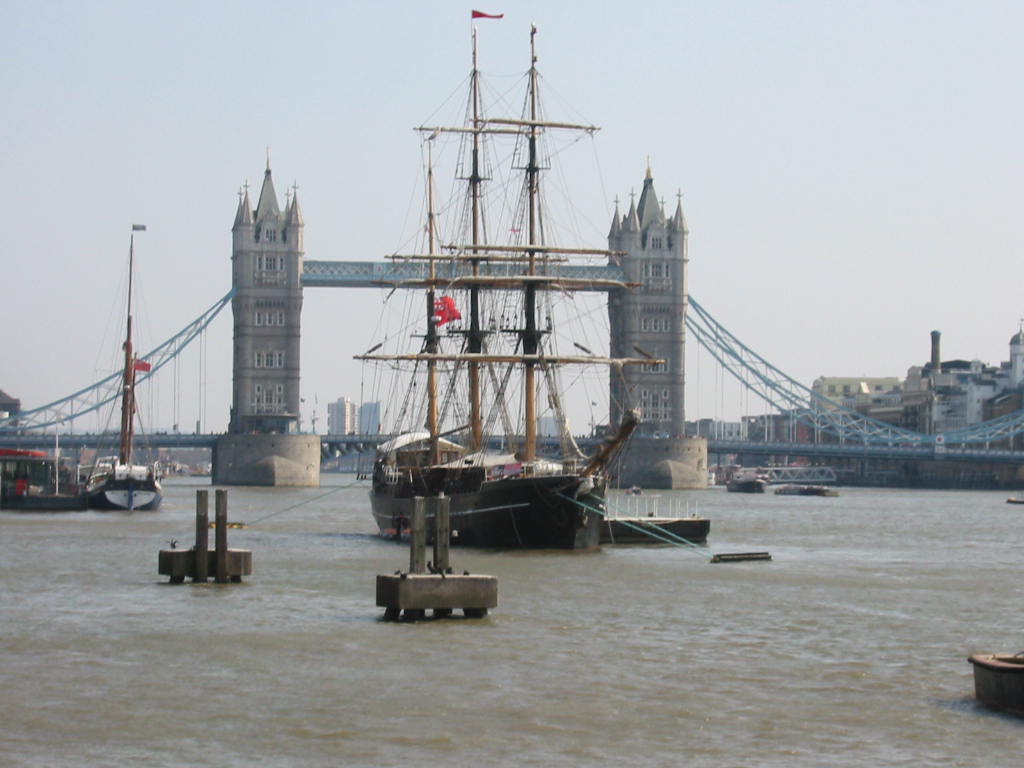
In the US and in most of Europe, truckers haul much of the freight from one city to another. The goods they haul, however, often originate in an overseas nation, and that requires shipment by freighter. This story is about one such over the ocean transport carrier, a British ship called the Zong. The ship had been built in the 1770s by a Dutch company and was originally called the Zorg, a Dutch word that means “care.” The ship was built to service the Dutch settlements in the Americas, including what is now the nation of Suriname.
In 1781, the ship was bought by a company out of Liverpool, England. Interestingly, the Zong was purchased with its storage holds full of valuable cargo. Since the ship was already carrying a load of goods, the new owners were eager to get the ship insured. Another Liverpool insurance firm wrote the policy, and the owners paid their premium. The Zong wasn’t fully insured, however. Insurance was so expensive for ocean-going vessels that the new owners were able to only protect half of their investment. The other half of the risk was born by the owners themselves. Now, please remember that 250 years ago, travelling across oceans by sail was an incredibly risky venture. Almost 15% of all ships that left port never made it to the final destination during that time. That puts seafaring as a profession up there with astronaut for being high-risk.
The Zong left its port of origin with a crew of 17 and one paying passenger. That crew was made up of some of the old Dutch crew, but the new owners put their own captain and first mate on board as well as some other crew. The rest of the space on the ship was for the cargo. And, in an effort to make up their costs for the ship, the new owners added to the already bulging cargo area. In fact, the Zong was carrying about half again as much cargo as it was designed to hold. Adding to this fact was the issue that the new captain, a man named Luke Collingwood, a person whose actual occupation was a physician. He had little experience as either a captain or as a navigator. And, as the ship sailed for the Caribbean Sea, his lack of navigational skills threw the ship and crew and cargo far, far off course.
After a time, the navigational error was discovered. By that time, water and other supplies were running dangerously low. If the Zong had not had so much cargo, then making up the time lost to the navigational error could be shorter. Besides, the cargo was becoming damaged the longer it stayed in the hold. That meant that, once it reached its destination, the owners would get less for the goods than what they wanted or expected. An executive decision was reached by the captain. If the cargo was “lost at sea,” it could be claimed as an insurance loss and thereby allow the owners to recoup some of their impending losses. The crew was allowed to vote on the proposal, and it passed unanimously. Some of the cargo was to be jettisoned into the Atlantic.
Thus, when the Zong finally reached its destination, less than half of the original cargo was left. The owners filed an insurance claim for their “losses” as reported by Collingwood. However, the insurers balked at paying. They claimed that the jettisoned cargo wasn’t actually “lost at sea” but, rather, was purposefully destroyed. At a trial, the court agreed with the owners, and the insurance company was ordered to pay up. But they disagreed, and the case was appealed.
On appeal, the decision was reversed. The court objected to the reasons for the destruction of the cargo, saying that willful jettisoning without a direct threat to life (the crew wasn’t in devastating danger although their situation was growing worse, for sure), there was no reason to do what they did. The owners had to bear the loss of the destroyed cargo.
In other words, the owners of the Zong were not compensated for the willful murder of 150 African slaves.

 The Rest of the Story